7-Day Karnataka Road Trip Itinerary: The Complete Circuit
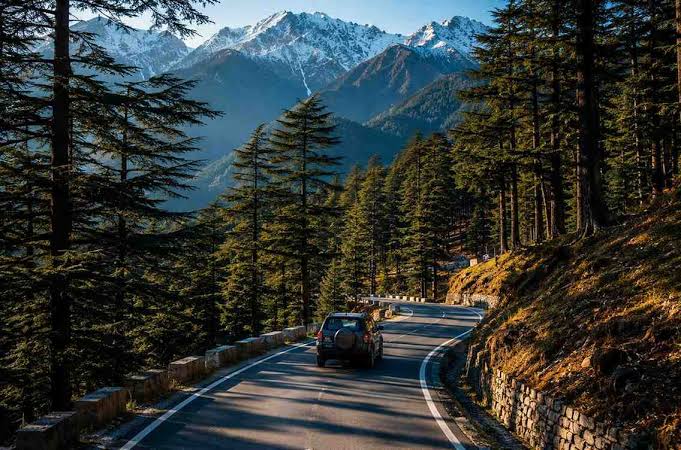
A standard weekend trip barely scratches the surface of what Karnataka offers, and a full seven-day road trip is where the state's genuine range — hill stations, heritage ruins, coffee country, and coastal temples — really comes together into a single, satisfying circuit. A well-paced route typically starts in Bangalore, heads to Mysore for two days of palace and garden sightseeing, continues to Coorg for coffee-estate immersion and waterfalls, crosses to Chikmagalur for a Mullayanagiri sunrise trek, and finishes with a longer push to Hampi's UNESCO ruins before looping back to Bangalore — or alternatively swapping the final leg for a coastal route through Gokarna and Murudeshwar during monsoon, when the Western Ghats interior becomes trickier to navigate. This kind of extended, multi-city itinerary is exactly the sort of trip too complex for most travellers to plan alone — balancing realistic drive times, seasonal routing, and which cities pair well together requires genuine local knowledge rather than an ambitious wishlist stitched together from separate destination guides. Longer trips like this also command a meaningfully higher package value than single-destination bookings, making this guide as useful for planning a serious multi-day self-drive trip as it is for understanding what a fully customised, chauffeured circuit should realistically include. This guide breaks the route into a realistic day-by-day plan, flags an alternative monsoon-friendly coastal variant, and helps you decide whether self-driving or a chauffeured package makes more sense for a trip this long.
Frequently Asked Questions
01. Is 7 days enough for a Karnataka road trip?
01. Is 7 days enough for a Karnataka road trip?
Seven days is genuinely enough for a well-paced, satisfying Karnataka road trip covering several of the state's major highlights, provided the itinerary is realistically scoped rather than overambitious about how much ground can comfortably be covered. A well-structured seven-day circuit typically allocates two days to Mysore, two to three days split across Coorg and Chikmagalur, and the remaining time to either Hampi or a coastal extension, depending on which direction the loop takes — this pacing allows genuine time to enjoy each destination rather than merely passing through it. Travellers attempting to squeeze in every single major Karnataka destination within seven days — Mysore, Coorg, Chikmagalur, Hampi, and a coastal stop, for instance — will likely find the trip feels rushed, with too much time spent driving between destinations relative to time actually spent enjoying them, which is a common planning mistake worth avoiding. A more realistic seven-day circuit deliberately excludes at least one or two of Karnataka's major regions, accepting that seeing everything the state offers in a single week simply isn't achievable without sacrificing the unhurried pace that makes a road trip enjoyable in the first place. For travellers wanting to genuinely cover more of Karnataka's full range — hills, heritage, and coast — extending to ten or even fourteen days produces a considerably more relaxed and complete experience, while seven days remains an excellent, achievable target for a focused, well-chosen selection of destinations.
02. What's the best route for a Karnataka circuit?
02. What's the best route for a Karnataka circuit?
The most popular and logistically sensible Karnataka circuit follows a loop starting and ending in Bangalore, moving through Mysore, Coorg, Chikmagalur, and finishing with Hampi before looping back, since this route keeps each individual driving leg to a manageable few hours rather than requiring any single exhausting, marathon-length drive. This specific sequence also makes geographic sense, since Mysore, Coorg, and Chikmagalur sit reasonably close together in Karnataka's southwestern hill region, while Hampi requires a longer push further north, making it logical to save for either the outbound or return leg of the loop rather than awkwardly zigzagging back and forth across the state. An alternative coastal variant swaps the Hampi leg for a route continuing from Chikmagalur toward the Western Ghats waterfall belt and onward to Gokarna and Murudeshwar on the coast, before looping back to Bangalore — this variant works particularly well during monsoon, when the interior heritage circuit's extreme heat isn't a factor and coastal and waterfall scenery is at its most dramatic. Both variants share the same core logic: grouping geographically close destinations together into sequential legs, rather than attempting to jump between distant regions of the state within a single trip. For travellers specifically deciding between the two, the hills-and-heritage route (via Hampi) suits travellers prioritising history and coffee country, while the hills-and-coast route (via Gokarna) suits those drawn to beaches and waterfalls as the trip's finale.
03. Is self-driving this route safe?
03. Is self-driving this route safe?
Self-driving this full Karnataka circuit is generally safe for confident, experienced drivers, provided sensible precautions are followed throughout, though the trip's length and variety of terrain — hill roads, highway stretches, and potentially coastal routes — does demand more sustained attention than a single weekend destination drive. Ghat road sections, particularly around Coorg and Chikmagalur, require genuine caution regardless of season, and checking weather and landslide advisories before each day's drive is a sensible habit throughout the trip rather than a one-time check at the start. Fatigue management matters considerably more on a seven-day trip than a single weekend getaway, since cumulative driving across multiple consecutive days can lead to reduced alertness if breaks and rest aren't properly built into the schedule — planning realistic daily drive-time limits and avoiding the temptation to push through extra distance late in the day after a long day of sightseeing is an important safety consideration specific to multi-day road trips. Night driving on unfamiliar hill roads should generally be avoided throughout the circuit, meaning daily schedules should be planned with enough buffer to reach each night's accommodation before dark. For travellers less confident in extended self-driving, particularly across unfamiliar hill terrain for multiple consecutive days, hiring a chauffeured vehicle for the full circuit removes this fatigue and unfamiliarity risk entirely, and is generally the safer choice for a trip of this length and complexity compared to a single weekend self-drive.
04. What's the best season for this trip?
04. What's the best season for this trip?
October through March is the best overall season for the full hills-and-heritage Karnataka circuit (Mysore, Coorg, Chikmagalur, Hampi), offering comfortable, dry conditions across all four regions without the ghat-road caution that monsoon demands or the extreme heat that makes Hampi genuinely uncomfortable during peak summer. Within this window, November and December tend to be particularly pleasant, combining cool hill-station weather with manageable Hampi temperatures before the hottest part of the dry season sets in. Summer (March through May) becomes progressively less suitable for this specific route as the trip progresses toward Hampi, since North Karnataka's intense heat during these months makes extended outdoor heritage sightseeing genuinely exhausting, even though Coorg and Chikmagalur remain reasonably comfortable throughout summer given their higher elevation. Monsoon (June through September) is where the alternative coastal route variant becomes the stronger choice, since the interior heritage circuit toward Hampi doesn't offer much monsoon-specific appeal and involves the same ghat-road caution as the hill sections without a comparable seasonal payoff, whereas the coastal variant toward Gokarna and the Western Ghats waterfall belt genuinely comes alive during the rains, with waterfalls at full flow and lush green scenery throughout. The practical recommendation: plan the hills-and-heritage circuit for October through March, and consider the hills-and-coast variant specifically if monsoon travel timing is unavoidable.
05. Can this be done without a car (public transport)?
05. Can this be done without a car (public transport)?
Completing this full circuit using only public transport is possible but considerably more complex and time-consuming than a private vehicle trip, given the multiple distinct legs involved and the varying quality of bus and rail connections between each destination. Mysore is well-connected to Bangalore by frequent train and bus services, making the first leg of the circuit genuinely easy without a car. Coorg and Chikmagalur, however, have more limited direct rail connectivity, generally requiring a combination of bus travel and local transport (taxis or auto-rickshaws) to reach specific attractions once in the district, which adds complexity and reduces flexibility compared to having a private vehicle available throughout the stay. Hampi is reasonably well-served by rail through nearby Hospet Junction, making the heritage leg of the trip comfortable via train, though getting between the various dispersed monument sites within Hampi itself is easier with a hired vehicle, bicycle, or auto-rickshaw than relying on limited local public transport. Given the number of distinct legs, connection points, and local transport arrangements required at each stop, most travellers attempting this full seven-day circuit without a private vehicle find the trip considerably more time-consuming and less flexible than the same route completed with either a self-driven or chauffeured vehicle for the full duration — public transport works better suited to a single-destination trip than this kind of multi-city circuit.
06. What is the total driving distance for this circuit?
06. What is the total driving distance for this circuit?
The full Bangalore-Mysore-Coorg-Chikmagalur-Hampi-Bangalore loop covers a total driving distance of roughly 1,300 to 1,500 kilometres depending on the exact route and any detours taken along the way, broken across the seven days into individual daily legs that generally range from two to seven hours of driving, avoiding any single excessively long day. The Bangalore-to-Mysore leg is the shortest, at around 145 kilometres, while the Mysore-to-Coorg leg adds a further roughly 120 kilometres. The Coorg-to-Chikmagalur connection covers a moderate distance depending on the specific route through the districts, and the final push from Chikmagalur to Hampi represents the longest single leg of the entire circuit, covering a considerable distance that's often best split with an overnight stop partway or tackled as a full day's dedicated driving. The return leg from Hampi back to Bangalore covers a similarly substantial distance to close the loop. For the alternative coastal variant swapping Hampi for a Gokarna-Murudeshwar finish, total distance runs somewhat differently but follows a broadly comparable overall trip length. Given the cumulative distance involved, building in realistic rest stops, avoiding overly ambitious single-day distances, and accepting that this is genuinely a full week's worth of driving rather than a leisurely, low-mileage trip are all important expectations to set before committing to the full circuit.
07. Can I customize this itinerary?
07. Can I customize this itinerary?
Yes, and customization is genuinely recommended for a trip of this length and complexity, since a seven-day multi-city circuit benefits considerably from being tailored to a specific traveller's interests, fitness level, and pacing preferences rather than following a rigid, generic template. Travellers who prioritise trekking, for instance, might want to allocate extra time in Chikmagalur for a more extensive Western Ghats exploration beyond just the standard Mullayanagiri sunrise, while history-focused travellers might prefer extending the Hampi leg to include the broader Badami-Pattadakal heritage circuit, turning the standard seven-day trip into a longer, deeper North Karnataka history journey. Families with young children or elderly travellers might want to swap out some of the trip's more demanding components — a strenuous trek, for instance — in favour of gentler, more accessible activities better suited to the whole group. Seasonal customization also matters considerably for this circuit, given the meaningful difference between the hills-and-heritage route and the hills-and-coast monsoon variant discussed elsewhere in this guide. Working with a travel agency to build a genuinely tailored version of this circuit — rather than attempting to force a generic seven-day template onto a group with specific interests or constraints — tends to produce a considerably more satisfying trip, and this kind of complex, multi-day, multi-city itinerary is exactly the type of booking best suited to a dedicated custom-itinerary planning service rather than a fixed, one-size-fits-all package.
08. Is a chauffeured package better than self-drive for 7 days?
08. Is a chauffeured package better than self-drive for 7 days?
For most travellers, a chauffeured package is genuinely the better choice for a trip of this length and complexity, primarily because it removes the cumulative fatigue and unfamiliar-terrain risk that comes with seven consecutive days of self-driving across varied hill, highway, and potentially coastal routes. A professional driver familiar with the specific roads, current landslide or weather advisories, and realistic timing between destinations also allows travellers to actually rest and enjoy the scenery during transit rather than needing to stay fully alert behind the wheel throughout a demanding multi-day itinerary. Self-driving does offer greater flexibility for travellers who want full control over their schedule, unplanned stops, and exact route, and it can be more cost-effective for larger groups splitting a single vehicle's fuel and rental cost, particularly for confident, experienced drivers comfortable with extended trips. However, the fatigue-management and local-knowledge advantages of a chauffeured package become increasingly valuable as trip length increases — a single weekend self-drive is a very different proposition from seven consecutive days of driving across multiple regions with varying road conditions. For travellers specifically prioritising comfort, safety, and the ability to genuinely relax during transit legs of a trip this long, a chauffeured package is the stronger recommendation; for confident self-drive enthusiasts prioritising flexibility and cost savings above all else, self-driving remains a viable, if more demanding, alternative.