Hampi 2-Day Itinerary: Ruins, Sunset Points & Travel Tips
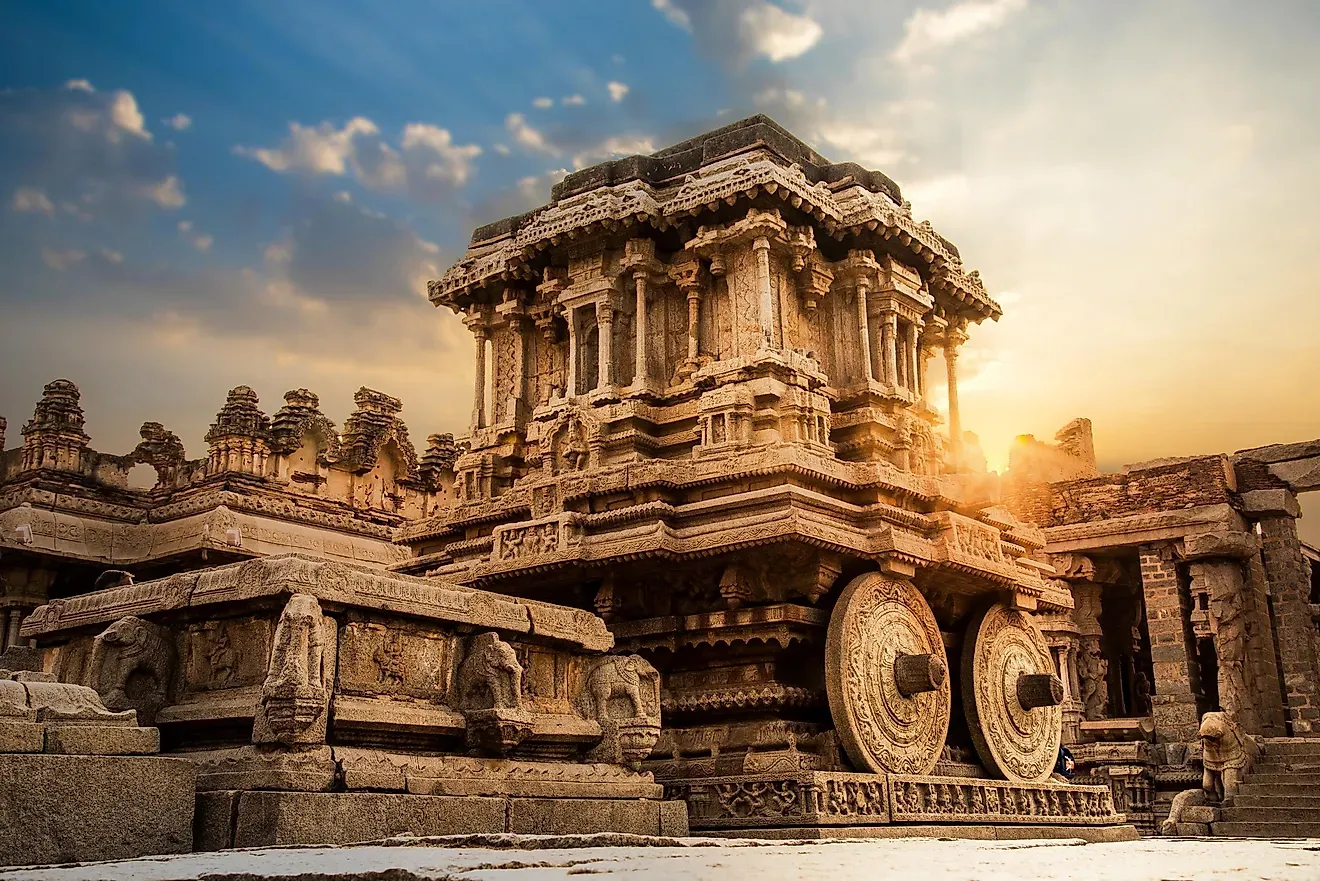
Hampi is unlike almost anywhere else in Karnataka — a UNESCO World Heritage Site spread across a genuinely surreal landscape of giant granite boulders, ancient temples, and the ruins of what was once the wealthy, powerful capital of the Vijayanagara Empire. A well-planned Hampi 2-day itinerary typically splits the site into its two natural zones: the Sacred Center, home to the still-active Virupaksha Temple and the famous stone chariot at Vittala Temple, and the Royal Center, covering the Queen's Bath, Lotus Mahal, and Elephant Stables that once served Vijayanagara royalty. Most first-time visitors base themselves either in Hampi Bazaar itself or in nearby Hospet, roughly 15 kilometres away, and get around using a private vehicle, bicycle, or auto-rickshaw depending on how much walking they want to do in Karnataka's often intense heat. Two days is widely considered the practical minimum for Hampi — trying to compress the site's roughly 1,600 structures into a single rushed day tends to leave visitors exhausted and having seen only a fraction of what makes the site remarkable, while two properly paced days allow time for both major zones plus a river crossing to the greener, more rural Anegundi side and at least one genuinely spectacular sunset from viewpoints like Matanga Hill or Hemakuta Hill. This guide lays out a realistic two-day plan, the best times to visit, and the practical details — entry fees, heat management, and whether you actually need a guide — that make the difference between a rushed visit and a genuinely memorable one.
Frequently Asked Questions
01. Is 2 days enough for Hampi?
01. Is 2 days enough for Hampi?
Two days is considered the realistic minimum for Hampi, and while it won't let you see literally everything the site offers, it's genuinely enough to properly experience the highlights without the exhaustion that comes from trying to rush through in a single day. A well-structured two-day plan typically dedicates day one to the Sacred Center — starting early at Virupaksha Temple before the heat builds, moving through Hemakuta Hill's cluster of pre-Vijayanagara shrines, and reaching the Vittala Temple complex with its iconic stone chariot before mid-morning crowds arrive — followed by day two's focus on the Royal Center, covering the Queen's Bath, Lotus Mahal, Elephant Stables, and Mahanavami Platform, often finishing with a river crossing to explore the greener, more rural Anegundi side and catching sunset from a viewpoint like Matanga Hill or Hemakuta Hill. What two days doesn't comfortably allow for is the deeper, more leisurely exploration that serious history enthusiasts often want — many experienced Hampi travellers who fell in love with the site's atmosphere end up extending well beyond their planned visit, sometimes staying three days, a week, or longer, specifically because Hampi's slow pace and relaxed atmosphere make it easy to want more time once you're there. For travellers with limited time who specifically want to see the core UNESCO monuments — Virupaksha Temple, Vittala Temple's stone chariot, and the Royal Center complex — without extending into a longer heritage circuit toward Badami and Pattadakal, two well-planned days deliver a genuinely satisfying and complete first Hampi experience.
02. What is the entry fee for Hampi monuments?
02. What is the entry fee for Hampi monuments?
Hampi's entry fee structure is relatively modest and split across a few different tickets rather than one single all-access pass, which is worth understanding before you arrive so you're not caught off guard by multiple small payments throughout the day. The main ticketed monuments — including the Vittala Temple complex with its famous stone chariot, and most of the Royal Center sites like the Queen's Bath, Lotus Mahal, and Elephant Stables — currently charge Indian nationals a modest fee (roughly ₹30 to ₹40 depending on the specific monument), while foreign visitors pay a considerably higher fee, generally in the ₹500 to ₹600 range, reflecting the standard differential pricing used at most major Archaeological Survey of India sites across the country. Children under 15 typically enter free at most monuments. The actively worshipped Virupaksha Temple charges its own small, separate, nominal entry fee, distinct from the archaeological monument tickets, since it functions as both a heritage site and a functioning place of worship. A genuinely useful practical tip many first-time visitors miss: several of Hampi's best spots — including Hemakuta Hill (a popular sunrise and sunset viewpoint) and most of the open archaeological park areas — require no entry ticket at all and remain accessible throughout daylight hours completely free of charge. It's worth carrying your physical ticket with you throughout the day rather than assuming a single entry covers everything, since staff scan tickets individually at each monument's specific entry checkpoint, and losing or discarding an already-purchased ticket midway through the day can mean needing to repurchase it at the next site.
03. Which is the best sunset point in Hampi?
03. Which is the best sunset point in Hampi?
Hemakuta Hill is widely regarded as the single best and most central sunset spot in Hampi, and its reputation is well earned: this short, easy granite climb sits directly above the Virupaksha Temple complex and is densely scattered with beautifully preserved, unique triple-chambered pre-Vijayanagara shrines featuring distinctive pyramid-shaped roofs, creating a genuinely striking foreground for the sunset itself. From the summit, panoramic views take in the towering gopuram of Virupaksha Temple, the winding Tungabhadra River, and Hampi's characteristic boulder-strewn landscape glowing in the evening light — a combination that's hard to match anywhere else in Hampi and requires no entry ticket, since it's one of the freely accessible parts of the archaeological park. Matanga Hill offers a compelling alternative for travellers who don't mind a slightly steeper, longer climb, delivering an even more expansive panoramic view over the entire Sacred Center and surrounding countryside, and is often preferred by photographers specifically for this wider vantage point. For travellers who've crossed the Tungabhadra River to explore Anegundi and the northern bank, sunset from the rock ledges near Virupapur Gaddi offers a completely different perspective — rolling green rice paddies and banana plantations replacing the dry stone landscape of the main Hampi side, a genuinely striking contrast within the same trip. The Tungabhadra Dam sunset viewpoint is a further option for travellers driving a bit beyond the core Hampi area, offering dramatic reservoir views as the sky changes colour. For most first-time visitors without a strong preference, Hemakuta Hill's combination of easy access, no entry fee, and genuinely spectacular scenery makes it the safest and most rewarding default choice.
04. Is Hampi safe to explore without a guide?
04. Is Hampi safe to explore without a guide?
Physically, yes — Hampi is generally safe to explore independently, with well-marked paths at major monuments, a steady flow of other visitors throughout the day at popular sites, and no significant safety concerns beyond standard heat and terrain precautions. However, most experienced Hampi travellers and guides strongly recommend hiring a local guide anyway, not for safety but for genuine understanding: without context, Hampi can look like an endless field of broken rock and scattered ruins, and a knowledgeable guide transforms the experience by explaining the architectural details, the mythology connecting Hampi to the Ramayana (the region was once known as Kishkindha), and the history of the Vijayanagara Empire's rise and eventual defeat in 1565. Government-licensed guides are typically available near the Virupaksha Temple entrance, and a half-day or full-day guide fee is modest relative to how much richer the visit becomes — many independent travellers who initially planned to skip a guide end up hiring one partway through their first day once they realise how much context they're missing. For solo travellers and women specifically, Hampi is generally considered a comfortable destination, with a steady stream of both domestic and international visitors at all major sites, though sensible precautions apply as they would anywhere — sticking to well-visited paths during daylight hours, avoiding isolated boulder areas alone particularly toward evening, and being cautious around the Tungabhadra River, where currents can be stronger than they appear. Overall, independent exploration is safe from a physical standpoint, but a guide adds substantial value to actually understanding what you're looking at.
05. Can Hampi be combined with Badami?
05. Can Hampi be combined with Badami?
Yes, and this combination has become an increasingly popular way to extend a Hampi trip into a fuller North Karnataka heritage circuit, since Badami sits within a reasonable few-hours' drive of Hampi and offers a genuinely different but equally compelling historical experience. Badami is famous for its rock-cut cave temples, carved directly into sandstone cliffs overlooking the scenic Agastya Lake, representing an earlier Chalukya-dynasty architectural style distinct from Hampi's later Vijayanagara-era ruins — visiting both gives travellers a genuinely broader sense of Karnataka's layered architectural history rather than a single-period snapshot. Many travellers extend the circuit even further to include Pattadakal, a UNESCO World Heritage Site in its own right known for its cluster of eighth-century temples showcasing a fascinating blend of North and South Indian temple architecture styles side by side, and Aihole, sometimes called the "cradle of Indian temple architecture," which remains comparatively unexplored by mainstream tourists despite its historical significance. A realistic combined itinerary typically allocates two days to Hampi itself, followed by a day for Badami's cave temples and lake, and a further day covering Pattadakal and Aihole together, making the full heritage circuit a four-day commitment rather than a rushed add-on. This combination particularly appeals to serious history and architecture enthusiasts who've already done a standard Hampi trip and want to go deeper, as well as first-time visitors specifically planning a longer North Karnataka trip from the outset rather than treating Hampi as an isolated weekend destination.
06. What is the best time to visit Hampi?
06. What is the best time to visit Hampi?
October through February is consistently recommended as the best time to visit Hampi, offering daytime temperatures that are genuinely manageable for walking around the extensive, largely shade-free ruins, generally ranging in a comfortable warm-but-not-scorching band compared to the considerably higher temperatures Hampi experiences later in the dry season. This window also coincides with the Hampi Utsav festival, typically held in November, featuring three days of classical music, dance performances, and cultural programs that showcase Karnataka's heritage against the backdrop of the ruins themselves — a genuinely worthwhile reason to specifically time a visit around this period if festival travel appeals. By contrast, the hot season running March through May brings scorching daytime temperatures that can climb well above 35 degrees Celsius, making prolonged outdoor monument exploration genuinely exhausting and, for many travellers, more of an endurance exercise than an enjoyable heritage visit — those who do visit during this window are strongly advised to limit sightseeing to early morning and late afternoon hours, resting through the harshest midday heat. Hampi's monsoon season, roughly June through September, brings moderate rainfall and a notably greener landscape than the dry-season version most visitors picture, though some monument areas and unpaved paths can become muddy and less comfortable to navigate. The clear overall recommendation: aim for October through February for the most comfortable, least weather-compromised Hampi experience, treat November specifically as a bonus if the Hampi Utsav festival dates align with your travel window, and avoid the peak summer months unless you're specifically prepared for serious heat management.
07. How do I get from Bangalore to Hampi?
07. How do I get from Bangalore to Hampi?
The most common route from Bangalore to Hampi is by road, covering a distance of roughly 340 to 375 kilometres depending on the exact route taken, typically requiring six to seven hours of driving, making it a genuine long-weekend or extended-trip distance rather than a quick single-day drive. Self-driving is a popular option for travellers who want full flexibility, particularly since the roads are generally in good condition throughout most of the route, though a night departure from Bangalore (leaving in the evening and arriving early the next morning) is a common strategy many travellers use to avoid daytime heat and traffic while maximising the following day for sightseeing. For travellers preferring not to drive, the train is a solid alternative — Hospet Junction serves as the nearest major railway station, sitting roughly 13 to 15 kilometres from Hampi itself, and is well-connected to major cities across India with multiple daily services, making it a comfortable overnight option from Bangalore. From Hospet, local buses run frequently to Hampi village, or auto-rickshaw are readily available for the roughly 13-kilometre journey at a modest fixed fare. Flying is a less common but available option for travellers short on time, with the nearest airport being Jindal Vijayanagar Airport around 50 kilometres from Hampi, though its limited flight schedule means Bangalore's Kempegowda International Airport, roughly 340 kilometres away, actually remains the more practical air-travel starting point for most visitors, effectively requiring the same road or rail onward journey regardless of flying in or starting the trip by land from Bangalore directly.
08. Is Hampi good for a family trip?
08. Is Hampi good for a family trip?
Hampi can absolutely work well as a family trip, though it does require more deliberate planning around heat and pacing than some of Karnataka's gentler family destinations, given the site's large scale and often intense sun exposure across its largely open, shade-limited terrain. Families with school-age or older children generally do well here, since Hampi's mix of dramatic ruins, boulder-strewn landscapes, and genuinely interesting mythology (including its connection to the Ramayana) tends to capture children's imagination in a way that's more engaging than a typical monument visit, especially when a good local guide brings the stories to life rather than just reciting historical facts. The key practical adjustment for family travel is timing: scheduling sightseeing for early morning and late afternoon hours while resting through the hottest midday stretch works far better with children than adults might manage alone, and choosing October through February for the trip — when temperatures are comfortably lower — makes a considerably bigger difference for family comfort than it might for solo or adult travellers who can push through heat more easily. Cycling or auto-rickshaw transport between sites, rather than extensive walking, also helps manage energy levels for younger family members across Hampi's genuinely spread-out layout. Families with very young children or elderly grandparents with limited mobility may find some sections challenging, particularly the climbs to sunset viewpoints like Matanga Hill or Hemakuta Hill, though gentler, flatter areas like the Royal Center's main complex remain comfortably accessible. With sensible timing and transport choices, Hampi makes for a genuinely memorable family heritage trip.