Kabini & Dandeli Wildlife Safari Guide: Best Time, Permits & Packages
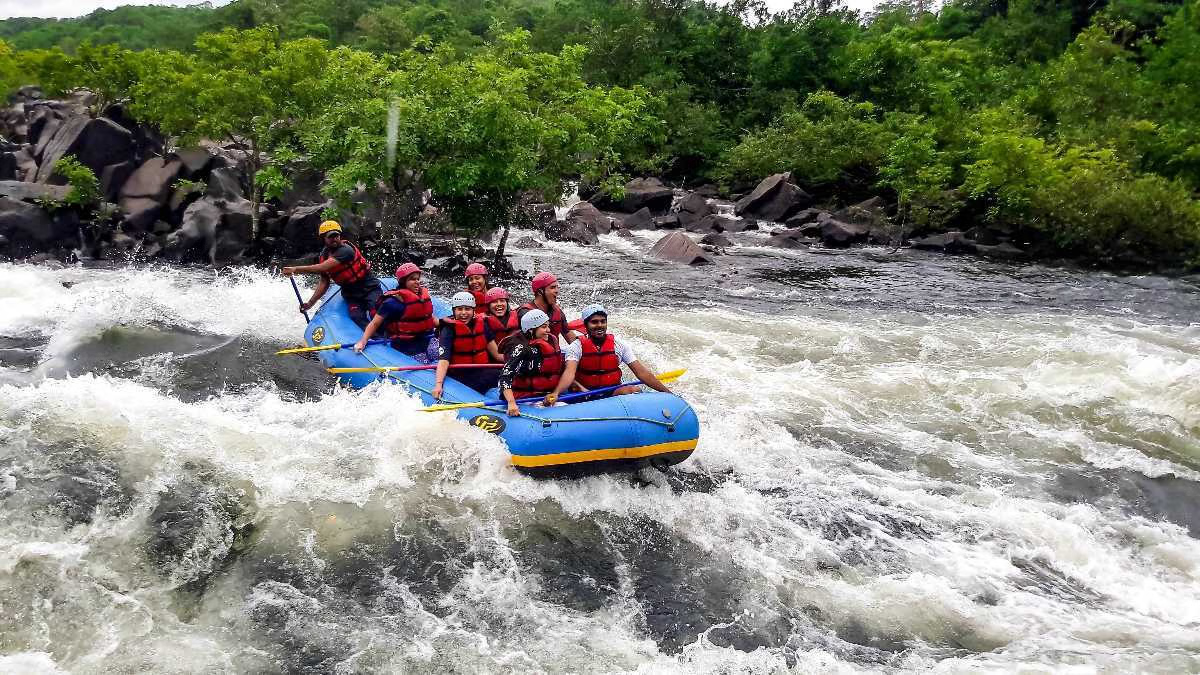
Kabini and Dandeli represent two of Karnataka's strongest wildlife tourism destinations, but they offer genuinely different experiences that are worth understanding clearly before booking either one. Kabini, part of the larger Nagarhole National Park (also known as Rajiv Gandhi National Park) and connected to the Bandipur and Nilgiri Biosphere corridor, is renowned specifically for tiger and elephant sightings, its river-based boat safaris along the Kabini backwaters, and the rare, internationally famous black panther sightings that have drawn wildlife photographers from around the world. Dandeli, by contrast, leans more heavily into dense forest cover, river rafting on the Kali River, and birdwatching, offering a more adventure-and-nature-focused experience alongside its wildlife viewing rather than Kabini's more safari-centric identity. Both destinations sit within comfortable striking distance of Bangalore and Mysore, making them realistic weekend or long-weekend additions to a Karnataka wildlife trip, and both require some genuine planning around safari booking windows, seasonal access, and permit processes that catch many first-time visitors off guard. This guide breaks down when to visit each destination for the best wildlife sightings, how the official safari and permit booking process actually works, what to realistically expect in terms of animal sightings across different seasons, and how Kabini and Dandeli compare directly against each other and against nearby alternatives like Bandipur — everything you need to plan a genuinely well-timed wildlife trip rather than showing up during a closed or low-sighting window.
Frequently Asked Questions
01. What is the best time for a Kabini safari?
01. What is the best time for a Kabini safari?
Winter, running roughly October through February, is widely considered the best overall season for a Kabini safari, offering pleasant daytime temperatures, cooler and more comfortable conditions for extended jeep and boat safaris, and reduced vegetation density that makes spotting animals like tigers, leopards, and elephants considerably easier than during the lush, dense-foliage months. March through May, Kabini's summer stretch, is actually considered by many wildlife photographers and experienced safari-goers to be equally excellent, if not better, specifically for animal sightings, since the drying vegetation forces animals toward the Kabini River and reservoir in search of water. The monsoon months, June through September, occupy a more nuanced middle ground, offering a lush, rejuvenated forest and lower visitor numbers for those comfortable with wetter, more unpredictable conditions.
02. Is Kabini open during monsoon?
02. Is Kabini open during monsoon?
Yes, and this is actually one of Kabini's distinctive advantages over several other major Indian national parks. Unlike well-known reserves such as Kanha, Corbett, and Ranthambhore, which fully close during the monsoon months of June through September, Kabini's location within Nagarhole National Park remains open year-round, allowing wildlife enthusiasts and photographers to visit and experience the forest's transformation across every season.
03. How do I book a Kabini jungle safari?
03. How do I book a Kabini jungle safari?
If you're staying at one of Kabini's jungle resorts or lodges — many of which, including established properties like Jungle Lodges & Resorts, include the jeep safari as part of their stay package — the resort typically handles safari booking directly on your behalf as part of your reservation. For travellers not staying at a safari-inclusive resort, or those specifically wanting to book independently, safaris within the Nagarhole Tiger Reserve are booked through the reserve's official ticketing portal.
04. Which is better — Kabini or Bandipur?
04. Which is better — Kabini or Bandipur?
Kabini's standout distinguishing feature is its river-based boat safari along the Kabini backwaters, an experience Bandipur doesn't offer in the same way, giving visitors a genuinely different wildlife-viewing perspective. Bandipur, meanwhile, is generally considered to have a slightly higher tiger density and is often recommended by wildlife enthusiasts specifically prioritising tiger sighting odds over the broader, more varied experience Kabini offers.
05. Can I see tigers in Kabini?
05. Can I see tigers in Kabini?
Tiger sightings in Kabini are genuinely possible but should be approached with realistic expectations rather than a guaranteed-sighting mindset. Kabini forms part of the Nagarhole Tiger Reserve, which does maintain a resident tiger population, and sightings do occur regularly enough that experienced safari guides and repeat visitors report reasonable success rates, particularly during the winter and early summer months when drier conditions improve visibility.
06. Is Dandeli good for a family trip?
06. Is Dandeli good for a family trip?
Yes, Dandeli works well as a family destination, though it leans somewhat more toward adventure activities than Kabini's comparatively gentler wildlife-safari focus. Dandeli's core appeal centres on its dense forest cover, birdwatching opportunities, and river rafting on the Kali River, the last of which typically comes in a range of difficulty levels suitable for different family compositions.
07. How many days are needed for Kabini?
07. How many days are needed for Kabini?
A focused two-to-three-day visit is generally considered sufficient to properly experience Kabini's major attractions, striking a good balance between covering the destination's core offerings and avoiding an unnecessarily long trip. A two-day visit comfortably allows time for one jeep safari and one boat safari across the two mornings and evenings.
08. What should I wear for a safari?
08. What should I wear for a safari?
Safari clothing in Kabini and Dandeli should prioritise practicality and camouflage-friendly neutral tones over anything bright, loose, or flashy. Dark, muted colours like khaki, olive, brown, and grey blend more naturally into the forest environment. Comfortable, closed walking shoes are essential, and layering matters — early morning safari slots can be genuinely cool, so a light jacket or warm layer that can be removed as the day warms up is a smart addition.