Sakleshpur Weekend Trip Guide: Coffee Estates, Trek & Manjarabad Fort
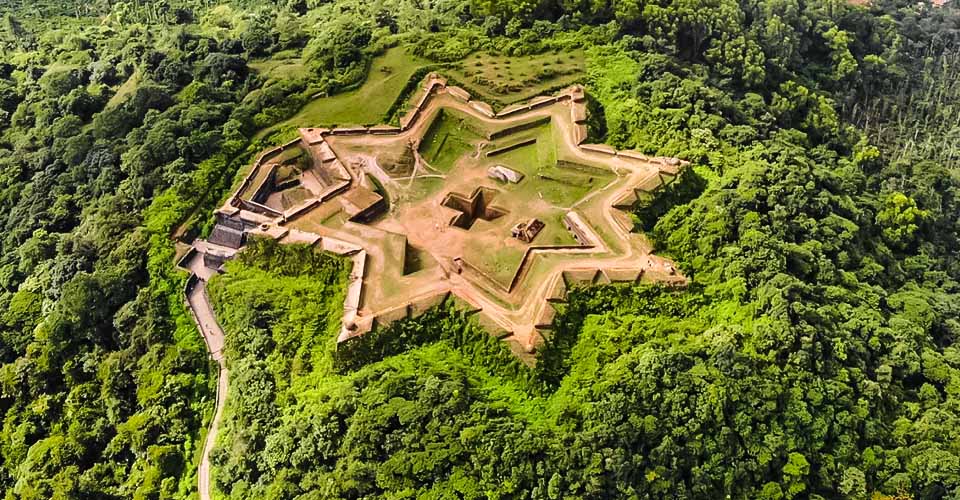
Sakleshpur keeps showing up as a footnote in nearly every "weekend trips from Bangalore" and "offbeat Karnataka" list, mentioned briefly but rarely given the dedicated attention it deserves — which is exactly the gap this guide fills. Sitting closer to Bangalore than the classic Coorg-Chikmagalur circuit and consistently positioned as a quieter, less crowded alternative to both, Sakleshpur combines genuine coffee-estate charm with two distinctive attractions that set it apart: the star-shaped, colonial-era Manjarabad Fort, and the scenic Green Route trek along an old, disused railway line through dense forest and dramatic viaducts. A well-structured two-day Sakleshpur weekend typically covers the fort and estate sightseeing on day one, followed by the Green Route trek on day two, with nearby waterfalls and viewpoints available as flexible add-ons depending on how much time and energy remains. What makes Sakleshpur particularly appealing to repeat Bangalore weekend travellers is its position as a genuine alternative to Coorg's increasingly crowded circuit — similar coffee-country atmosphere, similar driving distance, but noticeably fewer people at every stop. This guide covers Sakleshpur's specific attractions in depth, the best season for both sightseeing and the monsoon-specific Green Route trek, realistic travel logistics from Bangalore, and a direct comparison to Coorg for travellers weighing a quieter weekend option.
Frequently Asked Questions
01. Is Sakleshpur good for a weekend trip?
01. Is Sakleshpur good for a weekend trip?
Yes, Sakleshpur makes a genuinely excellent weekend trip destination, and its growing reputation as a "quieter alternative to Coorg" is well earned rather than simply marketing positioning. The destination offers a satisfying combination of experiences within a compact, easily manageable two-day itinerary: Manjarabad Fort's distinctive star-shaped colonial architecture, coffee estate walks and homestay experiences similar in character to Coorg or Chikmagalur, and the genuinely unique Green Route trek along a disused railway line, which most other Karnataka hill-station weekend destinations simply don't have an equivalent to. Sakleshpur's relatively close distance from Bangalore compared to the full Coorg or Chikmagalur drive makes it particularly appealing for travellers with only a standard two-day weekend who don't want to spend a disproportionate amount of that time simply travelling. The destination's lower overall tourist footfall compared to Coorg also means popular spots rarely feel genuinely crowded even on weekends, which is an increasingly rare quality among Karnataka's well-known hill-station getaways. For travellers who've already done the standard Coorg or Chikmagalur weekend trip and are looking for something with a similar coffee-country character but a noticeably calmer, less touristy feel, Sakleshpur is one of the strongest available options. Its combination of manageable distance, distinctive attractions, and genuine crowd-avoidance makes it a well-rounded weekend pick for a wide range of travellers, from couples to small groups of friends.
02. What is the Green Route trek?
02. What is the Green Route trek?
The Green Route trek follows a disused railway line originally built during the colonial era, winding through dense forest, dramatic viaducts, and tunnels carved directly into the Western Ghats terrain near Sakleshpur, offering a genuinely distinctive trekking experience that's unlike a typical mountain or peak-summit trek found elsewhere in Karnataka. The trail's defining feature is its series of impressive railway bridges and tunnels, engineering remnants from an earlier era that give the trek a unique historical and atmospheric character alongside its natural forest scenery, making it a memorable experience even for trekkers who've done plenty of standard Western Ghats trails. The trek is generally considered moderately difficult, more accessible than a serious climb like Kumara Parvatha but requiring reasonable fitness and stamina given its length and the somewhat uneven terrain along sections of the old railway track. Monsoon (roughly July through September) is considered the trek's most visually striking season, when the surrounding forest turns a vivid, saturated green and any nearby streams and small waterfalls along the route run at their fullest, though this also means the track itself can be slippery in places, calling for proper footwear and careful footing. A drier, more comfortable version of the trek is available during the October-to-February winter window for trekkers preferring firmer trail conditions over peak monsoon atmosphere. Given the trek's specific route through what is technically railway and forest land, going with a local guide familiar with the exact path is generally recommended over attempting it entirely independently.
03. Is Manjarabad Fort worth visiting?
03. Is Manjarabad Fort worth visiting?
Yes, Manjarabad Fort is genuinely worth visiting and stands out as one of Sakleshpur's most distinctive attractions, largely because of its unusual star-shaped design — a rare architectural feature among Karnataka's forts that immediately sets it apart from the more standard hill-fort layouts found elsewhere in the state. Built during the colonial era under Tipu Sultan's rule, the fort occupies an elevated position offering sweeping panoramic views over the surrounding Western Ghats and coffee-estate landscape, making it as rewarding for the scenery from its ramparts as for the fort's own architectural history. Reaching the fort requires only a relatively short, manageable climb rather than a demanding trek, making it accessible to a wide range of visitors, including families with children and travellers who aren't specifically looking for a physically strenuous activity during their Sakleshpur weekend. Early morning visits are particularly recommended, both to avoid the day's heat during warmer months and because misty morning conditions often add a genuinely atmospheric quality to the surrounding valley views that afternoon visits, with clearer but flatter light, don't quite match. The fort's relatively compact scale means a visit typically takes an hour or two rather than a full day, making it easy to combine with other Sakleshpur activities like a coffee estate walk or a portion of the Green Route trek within the same day. For travellers wanting a manageable, visually rewarding sightseeing stop that doesn't demand serious physical effort, Manjarabad Fort is a clear highlight of any Sakleshpur trip.
04. How far is Sakleshpur from Bangalore?
04. How far is Sakleshpur from Bangalore?
Sakleshpur sits roughly 220 to 230 kilometres from Bangalore, typically requiring around four to five hours of driving depending on traffic and the exact route taken, positioning it as somewhat closer than the classic Coorg or Chikmagalur weekend circuit while still offering a genuine hill-station change of scenery rather than feeling like a rushed, marginal day trip. This distance makes Sakleshpur comfortably achievable as a standard two-day weekend trip with a Saturday morning departure and Sunday evening return, without needing the Friday-evening head start that longer destinations like Gokarna or Hampi typically require to make a standard weekend feel unrushed. The drive itself passes through a mix of highway and increasingly scenic hill roads as you approach the Western Ghats, with the final stretch into Sakleshpur offering an early taste of the coffee-estate scenery that defines the destination. Public transport options, including regular bus services and rail connections through nearby stations, are also available for travellers preferring not to self-drive, though a private vehicle offers considerably more flexibility for reaching specific attractions like Manjarabad Fort and the Green Route trailhead, which aren't always conveniently served by public transport schedules. For Bangalore-based travellers specifically looking for a hill-station weekend that doesn't require excessive drive time relative to time spent actually enjoying the destination, Sakleshpur's roughly four-to-five-hour distance strikes a genuinely good balance between accessibility and a proper change of scenery.
05. Is Sakleshpur quieter than Coorg?
05. Is Sakleshpur quieter than Coorg?
Yes, Sakleshpur is consistently quieter than Coorg, and this is arguably its single biggest selling point relative to Karnataka's more famous hill-station destination. Coorg's stronger overall brand recognition and longer-established tourism infrastructure mean it draws a considerably larger share of Bangalore's weekend-travel traffic, particularly during winter peak season and long weekends, when popular spots like Abbey Falls and Raja's Seat can feel genuinely crowded. Sakleshpur, still comparatively under the radar despite growing steadily in popularity, offers a noticeably calmer experience across its main attractions — Manjarabad Fort rarely feels crowded even on weekends, and the Green Route trek's more niche, specialist appeal means it attracts a smaller, more dedicated trekking crowd rather than the broader mass-tourism footfall that Coorg's easier, more universally appealing sightseeing circuit draws. This quieter character extends to accommodation availability too, with Sakleshpur's homestays generally easier to book on shorter notice compared to Coorg's increasingly premium, often fully-booked cottage market during peak season. That said, Sakleshpur's rising popularity as a recognised "alternative to Coorg" does mean its own crowd levels have been growing steadily, so travellers specifically prioritising maximum solitude should still consider weekday travel over weekend visits, and shoulder-season timing over the busiest winter months, even within Sakleshpur itself. For now, though, Sakleshpur remains meaningfully and reliably quieter than Coorg across almost any comparable weekend or season.
06. What is the best season for Sakleshpur?
06. What is the best season for Sakleshpur?
Sakleshpur works well across most of the year, with the specific best season depending somewhat on which activity is the primary focus of your trip. October through February offers the most comfortable, all-around conditions, with cool, dry weather ideal for exploring Manjarabad Fort, walking through coffee estates, and general sightseeing without weather-related complications, making this the safest default recommendation for a first-time Sakleshpur visit prioritising comfort. For travellers specifically drawn to the Green Route trek, monsoon — roughly July through September — offers a genuinely distinctive, more visually dramatic version of the experience, with the surrounding forest turning vivid green and nearby streams running at their fullest, though this comes with the trade-off of slippery trail conditions requiring careful footing and proper footwear. Summer (March to May) is a somewhat less emphasized but still reasonably comfortable option, with Sakleshpur's elevation keeping daytime temperatures noticeably cooler than the Bangalore plains at the same time of year, appealing to travellers specifically seeking heat-escape rather than the crisper winter cold. The practical recommendation for most first-time visitors is targeting the October-to-February window for a well-rounded trip covering the fort, estates, and general sightseeing comfortably; trekking enthusiasts specifically prioritising the Green Route's most atmospheric version should consider a carefully planned monsoon visit instead, accepting the additional trail caution that comes with it.
07. Are homestays available in Sakleshpur?
07. Are homestays available in Sakleshpur?
Yes, Sakleshpur has a genuinely solid and steadily growing homestay scene, largely built around its coffee-estate character, similar in spirit to the estate-stay experiences found in Coorg and Chikmagalur, though generally at a somewhat more accessible price point given Sakleshpur's still-developing tourism market compared to its more established neighbours. Many of these homestays are family-run properties set directly within working coffee estates, offering the same kind of authentic, immersive experience — guided plantation walks, home-cooked regional meals, and genuine local hospitality — that makes estate homestays such a popular choice across Karnataka's coffee country more broadly. Given Sakleshpur's comparatively lower overall tourist volume relative to Coorg, homestay availability tends to be somewhat easier to secure on shorter notice, even during peak season weekends, though popular properties can still fill up during major holiday periods like Dasara or the winter break, making advance booking a sensible precaution rather than an absolute necessity. Options range from simple, budget-friendly rooms to slightly more premium estate-bungalow stays, though the market here generally doesn't extend to the very high-end luxury cottage segment that Coorg has developed in recent years, which suits travellers prioritising authentic, moderately-priced estate stays over five-star polish. For travellers drawn to Sakleshpur specifically for its quieter, less commercially developed character, the homestay scene here matches that same sensibility well, offering a genuine coffee-estate experience without the increasingly premium positioning found elsewhere in the region.
08. Is Sakleshpur good for trekking beginners?
08. Is Sakleshpur good for trekking beginners?
Sakleshpur offers a genuinely good entry point for trekking beginners, particularly through the Green Route trek, which strikes a manageable middle ground between an easy sightseeing walk and a serious, demanding climb like Kumara Parvatha. The trail's moderate difficulty, combined with its relatively gentle overall elevation profile compared to peak-summit treks elsewhere in the Western Ghats, makes it accessible to reasonably fit beginners without requiring extensive prior trekking experience, though a basic level of fitness and comfort with several hours of continuous walking is still expected. The trek's distinctive railway-line character, with its bridges and tunnels providing regular points of visual interest along the route, also helps beginners stay engaged and motivated throughout, compared to a more monotonous forest trail without similar landmarks. Manjarabad Fort's short climb offers an even gentler introduction to Sakleshpur's outdoor activities for travellers not ready for a full trek, making it a good warm-up or alternative for less experienced members of a mixed-ability group. For beginners specifically nervous about attempting their first proper trek, going with a local guide who knows the Green Route's specific challenging sections and can set an appropriate pace is a sensible way to build confidence, and choosing the drier October-to-February season over monsoon avoids the added difficulty of slippery trail conditions for a genuinely first attempt. Overall, Sakleshpur represents one of the more beginner-friendly serious trekking destinations within reasonable reach of Bangalore.