Trekking Mullayanagiri: What You Need to Know
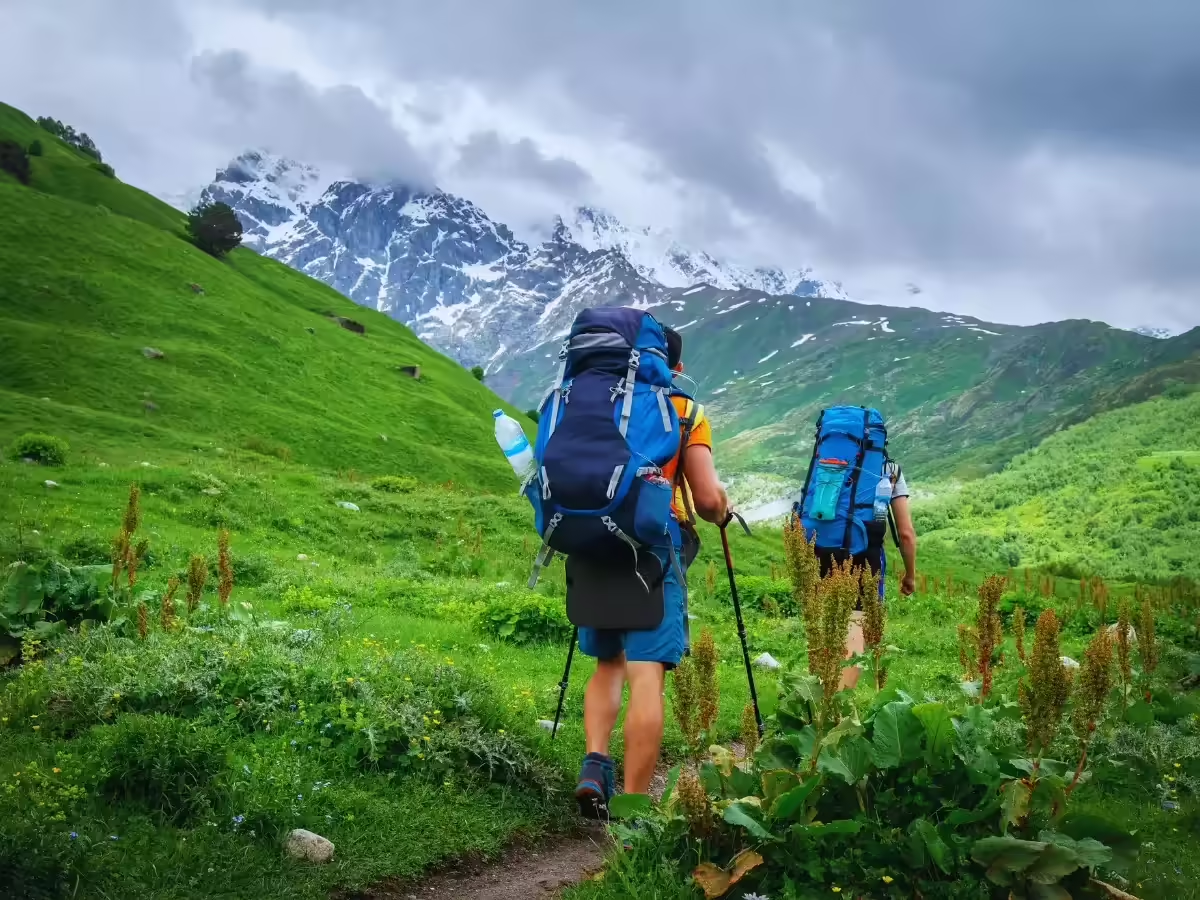
Mullayanagiri, standing proudly at 1,930 meters in the Chikmagalur district, is the highest peak in Karnataka. This crown jewel of the Western Ghats is a premier destination for mountain lovers and adventure seekers alike. Known for its misty mornings, rolling clouds, and panoramic vistas, the peak serves as a perfect escape from the bustle of city life. Whether you are looking for a short road trip, an adventurous trek, or a spiritual visit to the ancient temple at the summit, this trail offers a transformative experience. This comprehensive guide covers essential details—from trek difficulty and optimal travel seasons to logistics and local safety regulations—ensuring you are fully prepared to conquer this iconic Western Ghats trail. Discover why this peak remains a favorite among trekkers, bikers, and nature photographers looking to experience Karnataka from its very highest point.
Frequently Asked Questions
01. What is the difficulty level of the Mullayanagiri trek?
01. What is the difficulty level of the Mullayanagiri trek?
The Mullayanagiri trek is widely classified as an easy-to-moderate climb, making it an excellent entry point for beginners and a refreshing trail for experienced hikers. While the trail is generally well-marked, the route starting from the Sarpadhari base point can be physically demanding. The path features approximately 400 to 500 stone steps near the summit and includes sections with a steep 60-degree incline, which may test your stamina. Because of this gradient, it is not recommended for absolute novices who lack basic physical fitness. Families with children or older adults should exercise caution, as certain stretches require steady footing. Overall, the trek from the base spans about 3 to 4 km one way, and the ascent typically takes between 1.5 to 3 hours, depending on your pace and the number of stops you take to admire the breathtaking valley views along the way.
02. What is the best time to visit Mullayanagiri for trekking?
02. What is the best time to visit Mullayanagiri for trekking?
The ideal time to undertake the Mullayanagiri trek is from September to March. During these months, the post-monsoon weather is cool and pleasant, and the skies are typically clear, providing the best visibility for sweeping panoramic views of the Western Ghats. While the monsoon season (June to September) transforms the landscape into vibrant, lush green hues and adds a sense of enchantment, it is generally discouraged for trekking because the trails become extremely slippery, foggy, and potentially dangerous due to limited visibility. If you choose to visit during the winter, expect temperatures to range between 14°C and 32°C, which is ideal for an active day of climbing. Always check the local weather forecast before departing, as sudden fog can limit visibility regardless of the season.
03. Is the Mullayanagiri trek safe for beginners?
03. Is the Mullayanagiri trek safe for beginners?
Yes, the Mullayanagiri trek is considered safe and accessible for beginners, provided they maintain basic fitness and adhere to safety protocols. The trail is famous for its accessibility, but it is vital to stay on established, marked paths rather than wandering into uncharted forest areas. Beginners should strictly avoid trekking after dark to prevent mishaps, as the area remains officially closed at night for safety reasons. It is highly recommended to wear sturdy, high-grip walking shoes to handle the rocky terrain. While there are no major technical climbing challenges, always keep a close eye on weather changes. If trekking with children or seniors, keep them near you, as there are no proper railings or safety barriers at the exposed edges of the hilltop summit. Respecting the local rules and maintaining a steady pace will ensure a safe and memorable experience for hikers of all levels.
04. Are there any permit or entry fee requirements for the trek?
04. Are there any permit or entry fee requirements for the trek?
Currently, there is no formal entry fee required to trek to Mullayanagiri Peak itself. Visitors generally only need to pay nominal parking charges if they are arriving by private vehicle. While a special government permit is not strictly mandatory for individual trekkers, it is highly advisable to consult with local tour operators or your homestay host regarding any recent updates from the forest department, as regulations regarding conservation and visitor volume can shift based on the season. Some organized group tours or specialized treks in the surrounding Baba Budangiri range may include permit costs in their packages, but for solo travelers, it is mostly a matter of following local guidelines, practicing a strict 'no-littering' policy, and respecting the sanctity of the temple at the summit. Always check for official police advisories regarding risky spots or seasonal restrictions before you begin your journey.
05. How can I reach Mullayanagiri for trekking?
05. How can I reach Mullayanagiri for trekking?
Mullayanagiri is located approximately 20 to 22 km from the Chikmagalur bus stand, which acts as the main hub for trekkers. If you are arriving by air, the closest airport is Mangalore International Airport, situated about 170 km away. For those traveling by rail, the nearest station is Kadur Junction, from which you can hire a taxi to reach the town. From Chikmagalur, you can take a local bus to the foothills (Sarpadhari) or hire a jeep to reach the upper parking area. While many tourists choose to drive their own cars or bikes up the scenic ghat road, be aware that the road beyond the Shiva temple becomes very narrow, steep, and demanding. Because of these narrow, sharp turns, many locals recommend hiring a local jeep driver for the final ascent to avoid vehicle damage and navigate the mountain roads with greater safety and confidence.
06. What are the essential things to pack for the Mullayanagiri trek?
06. What are the essential things to pack for the Mullayanagiri trek?
Smart packing is essential for a comfortable and safe trekking experience at this altitude. You should pack sturdy, high-grip hiking shoes, as the trail features rocky paths and potential mud, especially post-monsoon. It is critical to carry sufficient water and high-energy snacks, as there are no restaurants or shops at the summit itself. Because the mountain weather can be unpredictable and windy, dressing in layers is highly recommended—bring a light jacket or windbreaker and perhaps a woolen cap if you are starting your trek during the early morning chill. Additionally, do not forget sun protection, such as sunscreen, a wide-brimmed hat, and sunglasses to protect against high-altitude UV rays. Finally, carry a small first-aid kit with basic medical supplies, and ensure you have a dedicated bag to carry back all your waste, as keeping this fragile ecosystem plastic-free is a priority for all visitors.